The Person Behind ClearPath
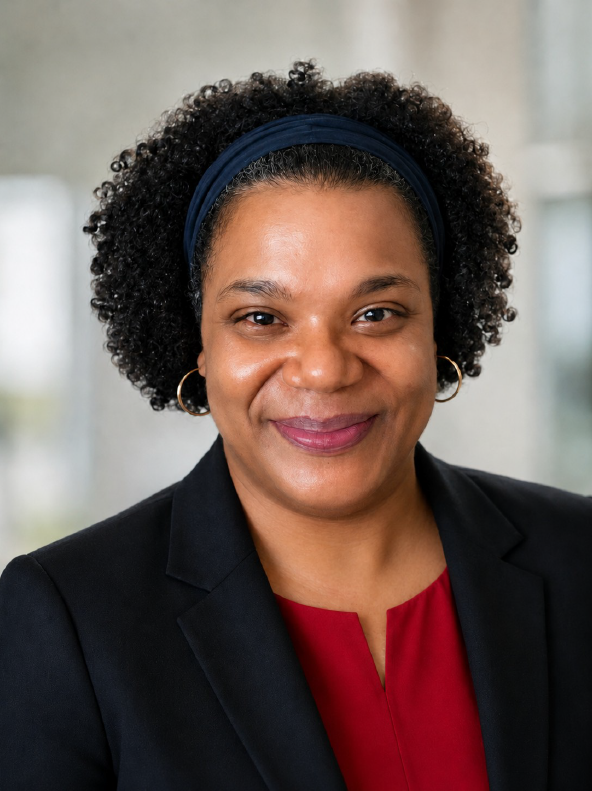
For 23 years, Kimberly Wade worked inside some of the country's most operationally complex contact center environments — not the largest by headcount, but among the most demanding in terms of how work actually flowed, how many exceptions existed, and how much creativity was required to meet goals when budgets rarely matched the complexity of the work.
She analyzed behavior patterns. Built workforce plans. Designed processes from scratch where none existed. Documented the institutional knowledge that kept operations running when the people who held it in their heads weren't in the room. And she sat in planning sessions where technology implementations were scoped and sequenced — watching decisions get made at the organizational level that she knew would eventually ripple outward into the lives of real people.
That awareness never left her. It became the lens through which she sees this work.
Why Small Businesses
As Kimberly rebuilt her professional path after stepping away to care for her son through a serious illness, she found herself increasingly drawn to small business owners — not as a market, but as people.
What she observed in those conversations — and what her years in operations told her was likely true beneath the surface — was something she recognized immediately. The operational weight of building something entirely your own. The processes that exist only in your head because there was never enough time to write them down. The knowledge that lives nowhere but in your daily presence. And the sense that somewhere underneath the busyness, there are things worth getting to — personally, professionally, or both — that keep getting pushed to later.
She also brought something to that recognition that went beyond professional experience. She knew — personally, not theoretically — what it costs to place trust and limited resources in someone who isn't fully present with you. Who goes through the motions without really listening. Who opens important conversations without genuine intention to help you move through them.
She'd lived that cost at a significant moment in her own life. And it shaped, in very specific ways, the consultant she committed to becoming.
She will not be that person for someone else. Not ever.
Before the engagement begins, Kimberly invests real time in understanding what a client actually needs — through the discovery conversation and a focused scoping session where the goal, the deliverable, and the north star are clearly established together. That clarity is what she holds throughout the engagement. It's also what protects the client's investment once the work is underway — because from that point forward, the budget is being spent in purposeful, accountable motion toward something both parties have agreed on.
The goal isn't to deliver a scope. The goal is to deliver something that genuinely moves the needle for that specific business and that specific person.
How the Work Actually Gets Done
Kimberly doesn't come into a business to fix what's broken or install a system someone else designed. She comes in as a partner — to someone who already knows their business better than anyone else ever could.
She thinks of it like building a riverbank. The water already knows how to flow. Her job is to give it somewhere to go — so it moves with intention rather than in too many directions at once. The structure that comes out of this work fits the way the business actually operates and the way its people actually think. Not the other way around.
What that requires is genuine engagement — on both sides. Kimberly brings her full focus, her 23 years of operational pattern recognition, and a commitment to keep digging when it gets hard. She brings enjoyment to this work, not obligation. And she believes — from experience — that the difference between those two things shows up in the quality of what gets produced.
What she asks of clients is the willingness to be in it. To look honestly at how their business runs. To stay curious about how it could run better. The clients who bring that to the table walk away with something that actually holds up — not just a document, but a foundation.
If that resonates, let's talk.
A discovery conversation is free, focused, and 30 minutes. You'll leave having been heard — and with at least one idea you can carry with you, whether we work together or not.